Motaba Virus: A Cinematic Threat vs. The Realities of Ebola
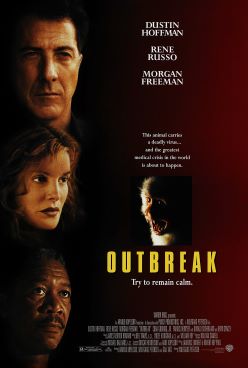
The 1995 film "Outbreak" sent shivers down spines globally with its depiction of the deadly Motaba Virus, a highly contagious pathogen threatening to wipe out humanity. This fictional menace, originating from the dense jungles of Africa, immediately drew parallels to real-world viral hemorrhagic fevers, most notably Ebola. While the movie brilliantly highlighted the terrifying potential of global pandemics and the urgent need for rapid response, it also sparked questions about how its cinematic portrayal stacked up against the grim realities of diseases like Ebola. Let's delve into a comprehensive comparison, dissecting the fictional symptoms of Motaba against the established clinical picture of real Ebola, and explore the broader implications for public understanding of viral outbreaks.
Unveiling the Fictional Motaba Virus: Outbreak's Deadly Pathogen
In "Outbreak," the Motaba Virus emerges with a backstory rooted in clandestine operations and potential bioweaponry. First discovered in 1967 in the Democratic Republic of the Congo (then Zaire) among laboratory workers exposed to infected monkeys, its initial containment was shrouded in secrecy, driven by fears of bioterrorism and the desire by some military factions to weaponize it. This fictional virus quickly proved to be a formidable adversary, presenting with a cascade of severe symptoms:
- Early Symptoms: Patients initially experience a high fever, debilitating headaches, and severe muscle aches.
- Gastrointestinal Distress: These symptoms rapidly escalate to intense nausea, vomiting, and diarrhea, leading to severe dehydration.
- Hemorrhagic Manifestations: A hallmark of Motaba, as depicted, is profound internal bleeding and the terrifying prospect of hemorrhaging through every orifice and mucous membrane, and possibly even through pores.
- Organ Failure and Shock: As the infection progresses, it leads to widespread organ failure and hypovolemic shock, ultimately resulting in death for most infected individuals.
One of the most terrifying aspects of the Motaba Virus in "Outbreak" was its rapid evolution. Initially transmitted through fluid exchange, it quickly mutated into an airborne pathogen, making containment incredibly challenging and increasing its lethality exponentially. The existence of a secret antiserum, E-1101, further complicated the narrative, underscoring themes of biosecurity and the potential misuse of vital medical advancements. For a deeper dive into the film's representation, consider reading Motaba Virus Explained: Is Outbreak's Deadly Pathogen Real?
Ebola Virus Disease: The Real-World Threat
Ebola Virus Disease (EVD) is a severe, often fatal illness in humans caused by the Ebola virus. While distinct from Motaba, it shares several terrifying characteristics that served as inspiration for the fictional pathogen. Ebola first emerged in 1976 in Sudan and the Democratic Republic of the Congo, and has since caused several significant outbreaks, most notably the West African epidemic from 2014-2016.
The symptoms of real Ebola virus disease typically appear anywhere from 2 to 21 days after exposure, and they can progress rapidly:
- Initial Symptoms: These include a sudden onset of fever, intense weakness, muscle pain, headache, and a sore throat.
- Gastrointestinal & Other Symptoms: These progress to vomiting, diarrhea, rash, and impaired kidney and liver function.
- Hemorrhagic Signs: In some, but not all, cases, patients may experience internal and external bleeding, presenting as unexplained hemorrhages (e.g., bleeding from the gums, nose, or blood in stool). This hemorrhagic component is what often leads to the term "hemorrhagic fever."
- Organ Failure and Shock: Severe cases can lead to multi-organ failure, severe dehydration, and hypovolemic shock, often resulting in death.
Crucially, Ebola is transmitted through direct contact with the blood, secretions, organs, or other bodily fluids of infected people, and from contaminated surfaces and materials. It is *not* an airborne virus. Transmission primarily occurs through close contact with sick individuals or their bodily fluids, and proper infection control measures are highly effective in preventing its spread.
Comparing Outbreak's Motaba to Real Ebola: Similarities and Critical Differences
While "Outbreak" drew heavily from the fears surrounding diseases like Ebola, there are both striking similarities and fundamental differences between the fictional Motaba Virus and real Ebola. Understanding these distinctions is key to appreciating both cinematic drama and scientific reality.
Symptomatic Overlap: The Shared Horrors
Both Motaba and Ebola are characterized as viral hemorrhagic fevers, sharing a terrifying constellation of symptoms:
- Sudden Onset of Fever: Both viruses initiate with a high fever, often accompanied by chills and profound weakness.
- Body Aches: Severe headaches and muscle aches are common to both, indicating a systemic viral attack.
- Gastrointestinal Distress: Nausea, vomiting, and diarrhea are prominent in both infections, contributing to rapid deterioration and dehydration.
- Hemorrhagic Potential: The term "hemorrhagic fever" applies to both. Both can cause internal bleeding, and in severe cases of Ebola, and prominently in Motaba, external bleeding can occur.
- Organ Failure: Progression to multi-organ failure is a critical and often fatal outcome for both diseases.
The Defining Distinction: Airborne vs. Fluid-borne Transmission
This is where the fictional Motaba takes a terrifying leap beyond the known realities of Ebola. The ability of the Motaba Virus to mutate and become airborne in "Outbreak" is the single most significant difference and the core driver of the film's widespread panic. A pathogen that can spread through the air, like influenza, is far more difficult to contain than one requiring direct fluid contact.
- Motaba: Begins as fluid-borne, then famously mutates to become highly airborne, leading to rapid, uncontrolled spread across populations. This feature magnifies its cinematic threat.
- Ebola: Strictly transmitted through direct contact with infected bodily fluids (blood, vomit, feces, urine, semen, etc.). It does *not* spread through the air or water. This crucial fact underpins all real-world public health strategies for Ebola containment, which focus on barrier nursing, safe burial practices, and contact tracing.
The misconception that Ebola is airborne often arises from fictional portrayals and can contribute to unnecessary panic, highlighting the responsibility of media in accurately depicting disease transmission. For more on the weaponization theme, see Motaba Virus: Unpacking Outbreak's Fictional Bioweapon Threat.
Lessons from Fiction: The Importance of Preparedness and Public Health
Despite its fictional embellishments, "Outbreak" and the Motaba Virus served as a powerful allegory for the very real threat of emerging infectious diseases. The film underscored several critical public health messages:
- Rapid Response is Paramount: The urgency depicted in containing the Motaba outbreak mirrored the real-world need for swift epidemiological investigation and intervention.
- Global Health Security: The film highlighted that a threat anywhere can quickly become a threat everywhere, emphasizing the need for robust international surveillance and cooperation.
- The Role of Science: Characters like Colonel Sam Daniels (a virologist) represented the tireless efforts of scientists and medical professionals on the front lines, working to understand, treat, and contain outbreaks.
- Ethical Dilemmas: The secrecy surrounding the Motaba antiserum and the debate over containing the outbreak versus protecting human life reflected complex ethical challenges inherent in managing severe epidemics.
While the airborne nature of Motaba was a dramatization, the film successfully conveyed the sheer terror and societal disruption a highly lethal, rapidly spreading virus can cause. It pushed audiences to consider the logistical nightmares, the political pressures, and the human cost of such a crisis.
Conclusion
The Motaba Virus from "Outbreak" remains a cinematic touchstone for viral epidemic narratives, artfully blending scientific inspiration with dramatic license. While its airborne mutation marks a stark departure from the transmission patterns of real Ebola, the fictional virus effectively captured the fear, the devastation, and the urgent need for global preparedness that diseases like Ebola truly inspire. Understanding the differences between these fictional and real-world threats is not just an academic exercise; it reinforces the importance of accurate information, robust public health infrastructure, and ongoing scientific research to protect us all from the next potential outbreak, whether it's fluid-borne, airborne, or yet to be imagined.