Motaba Virus Explained: Is Outbreak's Deadly Pathogen Real?
The chilling concept of a rapidly spreading, highly lethal pathogen has long captivated our imaginations, none more so than the infamous Motaba Virus from the 1995 blockbuster film, Outbreak. This cinematic creation, which depicts a terrifying global health crisis, plunged audiences into a world gripped by fear, quarantine, and the desperate search for a cure. But as compelling and terrifying as the film's premise was, it naturally begs a crucial question: is the Motaba Virus real, or is it purely a work of fiction?
While the gripping narrative of Outbreak might make the Motaba Virus seem frighteningly plausible, it's essential to clarify upfront: the Motaba Virus is a fictional disease. However, its portrayal draws heavily on the very real and devastating characteristics of certain viral hemorrhagic fevers, most notably Ebola. By exploring the fictional origins, symptoms, and impact of Motaba, we can better understand the real-world science and public health challenges that inspired its creation.
The Motaba Virus: A Fictional Foe Brought to Life on Screen
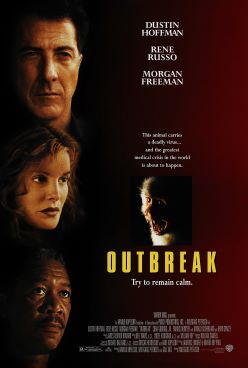
The Motaba Virus burst onto the scene in Wolfgang Petersen's 1995 film, Outbreak, starring Dustin Hoffman, Rene Russo, Morgan Freeman, and Kevin Spacey. The movie painted a terrifying picture of a novel pathogen emerging from the African jungle, rapidly mutating, and threatening to wipe out humanity. The virus is depicted as a highly contagious and lethal agent, capable of causing severe hemorrhagic fever in humans.
In the film's lore, the Motaba Virus was first discovered in 1967 in the Democratic Republic of Congo (then Zaire) following an outbreak among laboratory workers who had been exposed to infected monkeys. This initial event sets the stage for a decades-long conspiracy, where certain U.S. Army officers, notably Donald McClintock and William Ford, actively suppress information about the virus, viewing it as a potential biological weapon. This dark backstory is crucial to the film's plot, highlighting themes of biosecurity, military ethics, and the potential for scientific discovery to be weaponized rather than used for good. While a product of Hollywood, the Motaba Virus: Unpacking Outbreak's Fictional Bioweapon Threat goes into greater detail about this chilling aspect of the film's narrative.
Beyond the silver screen, the Motaba Virus even made a cameo in popular culture, being referenced in an episode of Clerks: The Animated Series, cementing its place as an iconic, albeit fictional, cinematic pathogen. The film's enduring impact lies not just in its thrilling plot, but in its ability to spark public discourse about disease outbreaks and global health security.
A Chilling Resemblance to Real-World Threats
Despite its fictional status, the Motaba Virus in Outbreak was designed to mimic the devastating effects of real viral hemorrhagic fevers. The symptoms portrayed in the movie are particularly gruesome and severe, intended to underscore the deadly potential of such pathogens. Infected individuals initially present with non-specific, flu-like symptoms, including:
- High fever and chills
- Severe headache
- Intense muscle aches and weakness
- Fatigue
- Gastrointestinal distress, such as nausea, vomiting, and profuse diarrhea
As the infection progresses, the Motaba Virus leads to far more severe and terrifying complications. The film depicts patients suffering from extensive internal bleeding and organ failure. Most graphically, individuals hemorrhage through every orifice and mucous membrane – and even, perhaps, through their pores. This dramatic presentation of bleeding, coupled with the high fever, is characteristic of the film's portrayal of a hemorrhagic fever. Indeed, most people infected with the Motaba Virus in the movie ultimately succumb to the disease, highlighting its extreme lethality.
Perhaps one of the most terrifying aspects of the Motaba Virus's portrayal is its evolutionary adaptability. Initially transmitted through fluid exchange, similar to many real-world viral infections, the virus quickly mutates within the film's narrative to become airborne. This airborne transmission capability dramatically escalates its threat level, making containment incredibly difficult and increasing the potential for a global pandemic. This fictional mutation served to amplify the stakes in Outbreak, making the virus a truly unstoppable force until an antiserum could be found.
Unpacking the Motaba's Fictional History and Controversies
The cinematic backstory of the Motaba Virus is rich with intrigue and ethical dilemmas, beginning with its "discovery" in 1967. The film establishes that the virus was found in the Democratic Republic of Congo, and its existence was immediately shrouded in secrecy by certain military factions. U.S. Army officers like Donald McClintock and William Ford took extreme measures, including destroying the site of the initial outbreak, to ensure the virus remained an isolated threat – or, more sinisterly, a viable biological weapon.
This suppression of information created a dangerous legacy. Fast forward to 1995, and the virus reemerges in Zaire, prompting Colonel Sam Daniels, a virologist from USAMRIID (U.S. Army Medical Research Institute of Infectious Diseases), and his team to investigate. Their efforts to understand and contain this reemergent threat form the core of the film's plot. The movie highlights the catastrophic potential when political and military agendas clash with public health imperatives.
Adding another layer of complexity, an antiserum, E-1101, against the Motaba Virus was developed but kept highly confidential. The primary reason for this secrecy, as depicted in the film, was the profound concern about bioterrorism and the potential misuse of this critical information. Authorities feared that public knowledge of an effective treatment could lead malicious entities to weaponize the virus or create widespread chaos, knowing a cure existed. This sensitive research and the inherent risks of the virus necessitated an exceptionally high level of confidentiality to protect public safety, creating a perilous ethical tightrope walk for those in power.
Comparing Fictional Symptoms to Real Viral Hemorrhagic Fevers
The cinematic terror of the Motaba Virus derives much of its impact from its strong resemblance to real-world pathogens, particularly the Ebola virus. While Motaba itself is not real, its symptoms, especially the progression to internal bleeding and multi-organ failure, are chillingly similar to what can be observed in patients suffering from actual viral hemorrhagic fevers (VHFs). The term "hemorrhagic fever" itself refers to a severe illness characterized by fever, fatigue, muscle aches, and bleeding. The Motaba Virus: Comparing Outbreak's Symptoms to Real Ebola provides a deeper dive into these similarities and differences.
Real-life VHFs like Ebola, Marburg, Lassa, and Dengue hemorrhagic fever, cause systemic damage, affecting blood vessels and organ systems. Like Motaba, these viruses can cause fever, body aches, headaches, and gastrointestinal symptoms. In severe cases, they too can lead to extensive internal and external bleeding (though rarely "through pores" as dramatically portrayed in the movie), shock, and organ failure. However, a key difference often lies in transmission. While some VHFs can spread through aerosols in certain settings (e.g., laboratory environments for Lassa or Marburg), the rapid and widespread airborne mutation depicted for Motaba in Outbreak is a significant cinematic exaggeration, making it far more deadly and difficult to contain than most known real-world VHFs.
The film's depiction, while dramatized, served to emphasize the extreme seriousness of viral outbreaks and the critical importance of robust public health measures. It highlighted how quickly an unknown pathogen can spread and overwhelm healthcare systems, irrespective of its fictional nature.
Lessons from Motaba: Real-World Public Health Preparedness
Even as a fictional entity, the Motaba Virus from Outbreak serves as a powerful allegory for the very real threats posed by emerging infectious diseases. The movie's enduring popularity, especially during actual global health crises, underscores our innate anxieties about pandemics and the vital lessons it implicitly teaches about public health preparedness.
One of the most significant takeaways is the crucial importance of rapid response and containment. In the film, delays and cover-ups exacerbate the crisis, illustrating how quickly an initial infection can spiral into a widespread outbreak. This highlights the real-world need for:
- Early Detection: Robust surveillance systems are essential to identify novel pathogens or unusual disease patterns quickly.
- Swift Contact Tracing: Identifying and monitoring individuals who have been exposed to a contagious person helps break chains of transmission.
- Effective Quarantine and Isolation: Implementing measures to separate sick individuals and restrict movement of exposed persons can prevent further spread.
- Transparent Communication: Public trust and cooperation are paramount during an outbreak. Clear, consistent information from health authorities is vital to counter misinformation and panic.
Moreover, the search for the E-1101 antiserum in Outbreak mirrors the real-world race for vaccines and antiviral treatments. Investing in scientific research and development is critical for rapid deployment of countermeasures during an actual pandemic. The film also touches upon the concept of zoonotic spillover – viruses jumping from animal hosts to humans – reminding us of the importance of monitoring animal populations and understanding the human-animal interface to prevent future outbreaks.
For individuals, the lessons are simpler but no less important. Practicing good hygiene, such as frequent handwashing, avoiding close contact with sick individuals, and staying home when unwell, are foundational public health measures. Supporting public health initiatives and understanding scientific consensus are crucial steps in building a resilient society capable of facing future health challenges, whether they resemble the fictional Motaba or a new, real threat.
The Motaba Virus, while a terrifying figment of Hollywood's imagination, serves as a potent reminder of our vulnerability to infectious diseases. Outbreak brilliantly captured the drama and urgency surrounding a viral pandemic, drawing on real scientific principles and public health challenges. By understanding the fictional Motaba, we gain a deeper appreciation for the relentless efforts of scientists and public health professionals worldwide who work tirelessly to detect, contain, and cure real-life pathogens, ensuring that a cinematic catastrophe remains just that – a story on screen, not a terrifying reality.