Motaba Virus: Unpacking Outbreak's Fictional Bioweapon Threat
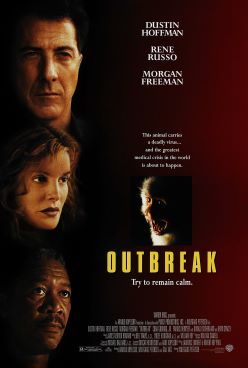
The year 1995 brought a chilling cinematic experience into homes with Wolfgang Petersen's blockbuster film, "Outbreak." At its heart was the terrifying, highly contagious, and fictional pathogen known as the
Motaba Virus. While thankfully not real, Motaba struck a nerve with audiences, presenting a nightmare scenario of a deadly, rapidly spreading disease that pushed humanity to the brink. Loosely inspired by the very real threat of Ebola, the
Motaba Virus captured the public imagination, highlighting fears of pandemics, bioweaponry, and the race against time to save civilization. This article delves deep into the lore of this cinematic killer, exploring its fictional origins, terrifying symptoms, and the lasting impact it had on popular culture's perception of global health threats.
The Genesis of a Fictional Fright: Motaba's Origins and Evolution
The story of the
Motaba Virus within the "Outbreak" narrative begins long before the film's main events. Its fictional origins are traced back to 1967, deep within the African jungle of the Democratic Republic of the Congo (then Zaire). Discovered during an outbreak among laboratory workers exposed to infected monkeys, the virus immediately posed an unprecedented threat. What followed was a highly classified and morally ambiguous operation by U.S. Army officers, Donald McClintock and William Ford. Rather than eradicating the virus entirely, they chose to bomb the infected site, ostensibly to contain it, but with the ulterior motive of concealing its existence and preserving it as a potential biological weapon. This clandestine act set the stage for its dramatic re-emergence nearly three decades later.
Fast forward to 1995, and the
Motaba Virus resurfaced with a vengeance, first in Zaire and then, critically, in the United States, carried by an infected monkey. This new outbreak galvanized Colonel Sam Daniels, a dedicated virologist from USAMRIID (United States Army Medical Research Institute of Infectious Diseases), into action. Accompanied by his team, including Lieutenant Colonel Casey Schuler and Major Salt, Daniels embarked on a desperate mission to understand and contain the rapidly spreading pathogen. The film masterfully uses the
Motaba Virus as a vehicle to explore complex themes of biosecurity, governmental secrecy, and the ethical dilemmas inherent in confronting such a deadly biological threat. It's a stark reminder that even fictional viruses can serve as powerful cautionary tales.
Unmasking the Motaba Virus: Symptoms and Transmission
The
Motaba Virus is depicted as a truly terrifying pathogen, designed to evoke the utmost dread. Its symptoms are characteristic of a severe viral hemorrhagic fever, drawing direct parallels to real-world threats like Ebola. Initially, infected individuals would present with general flu-like symptoms:
- High fever and chills
- Intense headache and muscle aches
- Profound weakness and fatigue
As the infection progresses, the disease escalates rapidly, attacking multiple organ systems and leading to devastating internal damage. Victims experience severe gastrointestinal distress, including:
- Nausea and violent vomiting
- Profuse diarrhea
The most gruesome and distinctive feature of the
Motaba Virus is its hemorrhagic nature. In severe cases, the virus causes extensive internal bleeding and organ failure. The film chillingly portrays victims hemorrhaging through every orifice and mucous membrane – eyes, nose, mouth, ears �� and potentially even through pores, a horrifying visual that underscores the virus's lethality. This progression invariably leads to shock and a very high fatality rate, leaving little hope for those infected. For a deeper dive into how Motaba's symptoms stack up against real-world pathogens, you might find our article
Motaba Virus: Comparing Outbreak's Symptoms to Real Ebola particularly insightful.
Perhaps the most terrifying aspect of the
Motaba Virus in "Outbreak" is its dynamic transmission. Initially, like many real-world viral hemorrhagic fevers, it was transmitted through direct fluid exchange – contact with blood, vomit, or other bodily fluids from an infected host. This is a common mode of transmission for diseases like Ebola. However, a critical and horrifying plot twist sees the
Motaba Virus mutate into an airborne strain. This adaptation dramatically increases its contagion, transforming it from a localized threat to a potential global catastrophe capable of spreading through mere proximity, akin to influenza or other respiratory viruses. This fictional airborne mutation served to amplify the stakes, creating a truly unmanageable public health crisis within the film's narrative.
The Shadow of Secrecy: The E-1101 Antiserum and Bioweapon Fears
One of the most contentious elements of the "Outbreak" storyline involves the existence of an antiserum for the
Motaba Virus, known as E-1101. This powerful antidote, capable of neutralizing the virus, was discovered by Colonel Daniels' estranged wife, Dr. Roberta Keough, and her team, during their early research. However, the antiserum was not immediately made public or widely available. Instead, it was kept a tightly guarded secret, a decision steeped in the complex and often murky world of military intelligence and bioweaponry.
The primary reason for this profound secrecy, as depicted in the film, was the pervasive fear of bioterrorism and the potential misuse of such sensitive information. Authorities, particularly General Ford and General McClintock, harbored deep concerns that knowledge of the E-1101 antiserum could lead to its exploitation by malicious entities. They feared that terrorists or rogue nations might seek to weaponize the
Motaba Virus itself, using its lethality to create widespread chaos or as a tool for political coercion, knowing an antidote existed. The presence of a known cure, in their view, could inadvertently escalate the threat, making the virus more attractive to those seeking to cause harm.
Furthermore, the sensitive nature of the research itself, coupled with the extreme risks associated with handling the live
Motaba Virus, necessitated a high level of confidentiality. This was ostensibly to protect public safety and prevent unauthorized access to potentially dangerous pathogens or their countermeasures. The ethical implications of such secrecy are profound. In a real-world scenario, withholding a cure for a rapidly spreading, deadly disease would spark immense debate, pitting national security concerns against the universal right to health and transparency. The film uses this moral quandary to add another layer of tension and critical social commentary, questioning the lines drawn between defense, secrecy, and humanity's collective well-being.
Motaba's Enduring Legacy: Outbreak's Impact on Public Consciousness
Despite being a work of fiction, the
Motaba Virus from "Outbreak" left an indelible mark on public consciousness regarding global health threats. Released in 1995, the film premiered at a time when the world was becoming increasingly interconnected, and the concept of a rapidly spreading pandemic felt more plausible than ever. "Outbreak" effectively capitalized on deep-seated fears about invisible enemies, the fragility of modern society, and the potential for a biological weapon to unleash untold devastation.
The movie's portrayal of the
Motaba Virus, with its horrific symptoms and terrifying airborne mutation, galvanized public interest in virology, epidemiology, and emergency preparedness. It highlighted the critical roles of organizations like the CDC and USAMRIID, even if their fictionalized counterparts faced extreme and sometimes morally questionable military interference. The film effectively served as a large-scale public awareness campaign, albeit fictional, about the importance of:
- Rapid scientific response to emerging pathogens
- Robust public health infrastructure and containment measures
- International cooperation in the face of global threats
- The ethical challenges of biosecurity and weaponization
"Outbreak" also cemented the imagery of hemorrhagic fevers in popular culture, making concepts like quarantine zones and protective suits instantly recognizable. The cultural impact of the
Motaba Virus even extended beyond its cinematic debut, with a playful nod in an episode of "Clerks: The Animated Series," demonstrating its penetration into broader pop culture. This enduring legacy underscores how compelling and unsettling the idea of a fast-mutating, lethal virus truly is. For a more comprehensive look at whether the
Motaba Virus could ever leap from screen to reality, be sure to check out our related article:
Motaba Virus Explained: Is Outbreak's Deadly Pathogen Real?
Conclusion
The
Motaba Virus, a fictional antagonist from the film "Outbreak," remains a potent symbol of our deepest anxieties about pandemics and bioweapons. While purely a product of creative storytelling, its depiction—from its covert origins and horrifying symptoms to its terrifying airborne mutation and the shadowy secrets surrounding its cure—underscored real-world concerns. "Outbreak" served as a powerful cinematic alarm bell, prompting audiences to contemplate the speed at which a deadly pathogen could spread, the ethical dilemmas of scientific discovery and military intervention, and the paramount importance of robust public health responses. Decades later, the
Motaba Virus continues to remind us that vigilance, transparency, and collaborative scientific endeavor are our strongest defenses against both real and imagined biological threats.